
Understanding the psychology behind gambling Why we take risks in casinos
Understanding the psychology behind gambling Why we take risks in casinos
The Thrill of Uncertainty
The allure of gambling lies significantly in the thrill of uncertainty. When individuals enter a casino, they are often drawn by the excitement of the unknown outcomes that various games present. This unpredictability triggers a psychological response that can be both exhilarating and addictive. The brain releases dopamine, a neurotransmitter associated with pleasure, when players win or even when they anticipate a potential win. This chemical reaction reinforces the desire to continue taking risks, as the brain seeks to replicate the pleasurable experience. For those seeking to understand their own psychological patterns, wellness resources can be found here, providing tools for self-reflection and growth.
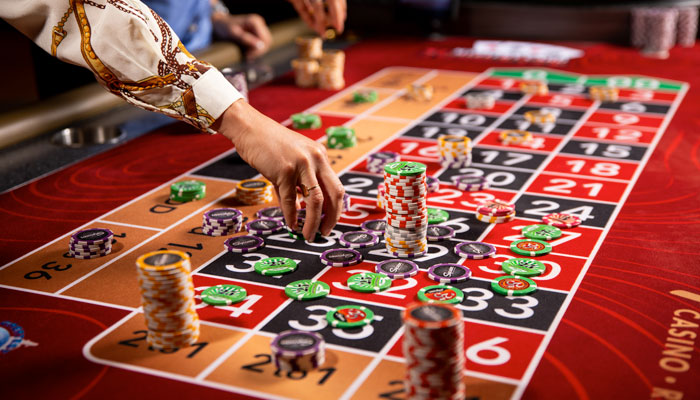
Moreover, the concept of “near misses” plays a crucial role in reinforcing gambling behavior. Players may feel a surge of excitement when they come close to winning, even if they do not actually win. This false sense of closeness can lead individuals to gamble more, as they believe that victory is just around the corner. The combination of these psychological factors keeps players engaged, often leading them to take risks they might otherwise avoid.
The Role of Superstitions and Beliefs
Superstitions are another critical aspect of gambling psychology. Many players develop personal rituals or beliefs that they think can influence their luck. Whether it’s wearing a particular piece of clothing or following a specific routine before playing, these behaviors can create a false sense of control over the outcomes. This phenomenon illustrates how cognitive biases affect decision-making, as individuals often attribute wins to their superstitions rather than random chance.
Additionally, the casino environment itself is designed to exploit these beliefs. Bright lights, vibrant colors, and ambient sounds create an atmosphere that heightens excitement and encourages players to keep betting. This sensory stimulation can further entrench superstitions, leading to irrational behaviors and decisions that fuel a desire for risk-taking in gambling contexts.
The Impact of Social Dynamics
Gambling is not only an individual experience but also a social one. The camaraderie and interaction between players can significantly influence gambling behavior. Being surrounded by others who are also taking risks can create a sense of collective excitement, encouraging individuals to gamble more. This social aspect can sometimes overshadow personal limits, as players may feel pressured to conform to group norms.
Furthermore, the presence of charismatic dealers or hosts can enhance the experience. Their enthusiasm can be contagious, further motivating players to engage in riskier behavior. This social reinforcement is a powerful driver of gambling, demonstrating how human interaction can shape individual choices and lead to increased risk-taking in casinos.
The Impact of Marketing and Design
Casino marketing strategies are meticulously crafted to attract and retain players. Promotions, loyalty programs, and flashy advertisements all contribute to creating an inviting environment that encourages gambling. Such marketing tactics capitalize on psychological triggers, enticing individuals to take risks they might not consider under normal circumstances.
Additionally, the physical layout of casinos plays a vital role in encouraging risk-taking. The arrangement of games, the accessibility of machines, and the lack of clocks or windows create a sense of timelessness that can lead players to lose track of their spending. By designing an environment that minimizes the perception of time and financial limits, casinos effectively promote prolonged gambling sessions and increased risk-taking behaviors.

Promoting Well-Being through Awareness
Understanding the psychology behind gambling is essential for promoting well-being among players. By recognizing the factors that influence risk-taking behavior, individuals can make more informed decisions regarding their gambling habits. Awareness of the psychological triggers at play can help mitigate the risks associated with gambling, allowing players to enjoy the experience without falling prey to addiction.
This awareness aligns with the mission of platforms dedicated to wellness and self-care, like ichill.ca. Although currently facing technical challenges, the website aims to provide resources that empower individuals to engage in activities that enhance mental and emotional well-being. By fostering a deeper understanding of the psychological dynamics involved in gambling, we can encourage a more balanced approach to leisure activities and promote healthier lifestyles.
